Knowledge base
Field stories and tips from the advisory practice
Stories from the boardroom, concrete tips for slides, memos and emails, and guides for anyone choosing an in-company training. The explanation of the methods themselves is under methods.
Explainer
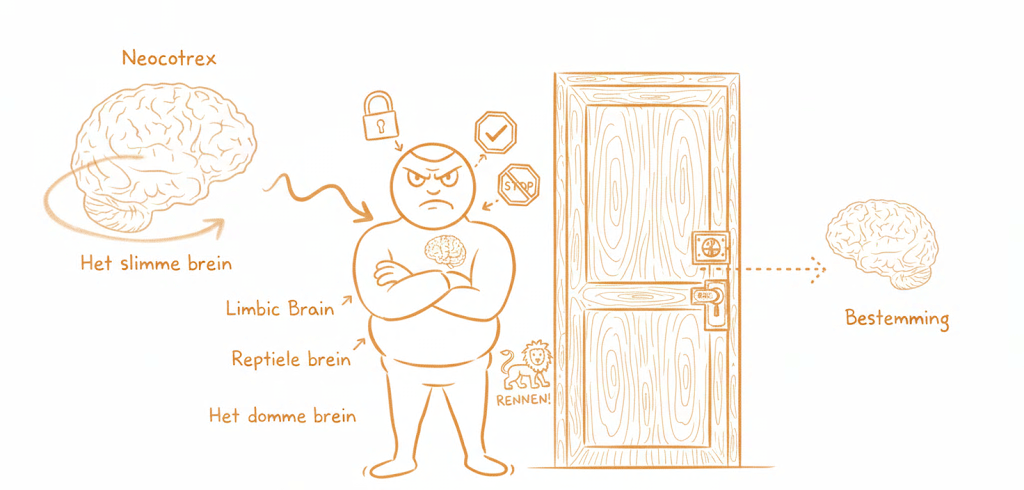
Cognitive load theory: why your audience needs to hear the conclusion first
Working memory holds only a handful of elements. Show all the puzzle pieces first and you cause cognitive overload. Put the spotlight on your conclusion, then light up the arguments, facts, sub-analyses and recommendations.
Read article →Tips
Requesting training budget: how to write the request to your manager
Read article →Guide
A team training in your 2027 plan: what to pin down now
Read article →Explainer
What are advisory skills? The five skills of a good adviser
Read article →Explainer
Consulting skills: what consultants learn and how you can learn them without working at McKinsey
Read article →Guide
How do you choose an in-company training in structured communication?
Read article →Guide
In-company or open training: when do you choose which?
Read article →Guide
How do you make training stick? Embedding after an in-company training
Read article →Explainer
When not to lead with the answer: deviating from SCQA and the Pyramid Principle
Read article →Field story
Why nobody wants your ‘Disney story’ (and how the Minto Pyramid makes you boardroom-ready)
Read article →Field story
My first executive board meeting: the 30 pages that didn't survive 2 minutes
Read article →Tips
The 3 best PowerPoint tips: work faster and persuade more
Read article →Would you rather practise than read?
In our trainings you apply these methods straight away to your own work, with feedback from experts from the advisory practice.